

Life Coach vs. Therapist: The Facts | Professional Coaching in New York
Why Work With a Life Coach?
A common misconception suggests that people only turn to a life coach when they have lost direction or control. In reality, professional coaching is for those who refuse to settle. It is designed for individuals seeking clarity, momentum, and meaningful progress in their lives and careers.
Whether an individual feels stuck or is simply aware that a higher level of performance is possible, a professional coach bridges the gap between where they are and who they are capable of becoming. This process is about moving from "good" to "exceptional."
What is Professional Life Coaching?
Life coaching is performance coaching for every aspect of existence. Just as elite athletes work with coaches to sharpen focus, discipline, and results, professional life coaching applies those same high-standard principles to career, leadership, and personal growth.
In an industry where many treat coaching as a "side-gig" while maintaining other full-time employment, true mastery stands apart. The most effective coaches are those who have dedicated their lives to the craft, bringing decades of business leadership experience to every session. The better the coach's own history of leadership, the better the client’s outcomes.

Why Professional Coaching Works
No one reaches their highest potential alone. Even the most driven individuals require perspective, accountability, and guidance—especially when motivation fades or familiar patterns repeat.
A professional coach empowers the client to:
See clearly beyond their own blind spots.
Decide intentionally based on vision, not habit.
Execute with confidence by raising their personal standards.
Life Coach vs. Therapist: Identifying the Difference
While both professions aim to assist the individual, their foundations, methods, and goals are entirely distinct. Understanding these differences is essential for choosing the right path forward.
| Feature | Therapist | Professional Life Coach |
|---|---|---|
| Primary Focus | Healing the past and treating trauma. | Building the future and achieving goals. |
| Experience | Academic and clinical training. | Decades of business leadership and real-world results. |
| Perspective | Often looks at "why" things happened. | Focuses on "how" to move forward and execute. |
| Belief System | Clinical detachment; focused on stability. | Unshakeable belief in the client's potential. |
| Outcome | Emotional resolution or symptom relief. | Measurable results, clarity, and growth. |
The Vision Gap
A therapist is trained to diagnose and treat clinical conditions, often involving medication or long-term analysis of past trauma. However, they typically lack the business and leadership experience necessary to guide a client through high-level professional challenges.
Furthermore, a therapist’s clinical training often prevents them from "believing in the client more than the client believes in themselves." That level of belief requires a coach with vision, mentorship, and lived experience, qualities that allow them to see a client’s potential even when the client cannot. Coaching does not require medication; it requires a shift in standards and a commitment to action.

Choosing a Professional Over a Hobbyist
In a rapidly growing industry, it is easy to find "coaches" who hold certifications but lack actual life results. To find a coach who can truly move the needle, one must look for:
Lived Experience: Can a coach guide a client through challenges they have never faced themselves? True perspective comes from years of leading, failing, and succeeding in the real world.
Full-Time Commitment: A great coach is not a part-timer. They are dedicated professionals who have invested their lives into the mastery of human performance.
Mentorship: Professional coaches are continuously being coached themselves. They understand that growth is a lifelong requirement.
How to Recognize a High-Level Professional Coach
Before engaging a coach, one must look beyond surface-level credentials. True mastery is revealed through depth, not just certificates. To ensure a coach is a professional—and not a "side-gig" hobbyist—consider these essential benchmarks:
Critical Questions to Ask
"Do you have a mentor or your own coach?" A professional life coach is committed to perpetual growth. If a coach is not currently being challenged and mentored, they cannot effectively empower others to do the same.
"Have you personally utilized the tools you teach?" Effective coaching must be rooted in lived experience. Theoretical knowledge from a course cannot replace the wisdom gained by applying high-performance strategies in real-world scenarios.
"What is your history of leadership?" Seek a coach with decades of business leadership experience. One cannot guide a client through the complexities of professional execution if they have never successfully led an organization or navigated high-stakes environments themselves.
"Are you fulfilled and aligned in your own life?" A professional coach must model the clarity, discipline, and growth they provide. They should be a living example of the results they promise to their clients.
What to Look for in a Professional Partner
A truly effective coach brings a level of depth that a part-time practitioner cannot match. Look for these non-negotiable traits:
A Proven Track Record: Real-world results and measurable client growth.
Natural Leadership & EQ: The emotional intelligence to navigate complex human and business dynamics.
High Performance Standards: A lifestyle defined by the same discipline and high standards they expect from their clients.
Communication Mastery: The ability to provide sharp, objective feedback that leads to immediate decision-making.
The Difference is Experience. Above all, a great coach has lived fully and grown intentionally. Because high-level coaching is not about academic theory—it is about life, leadership, and the courage to execute.
Summary: Choosing Your Path
A great life coach is not defined by a title or a certificate. They are defined by Experience, Integrity, and Results. When selecting a coach, choose one who:
Teaches exclusively from lived experience and leadership.
Demonstrates real-world outcomes rather than theoretical goals.
Is driven by a deep "why" and an unshakeable commitment to client growth.
Walks the path alongside you, having already navigated the terrain.
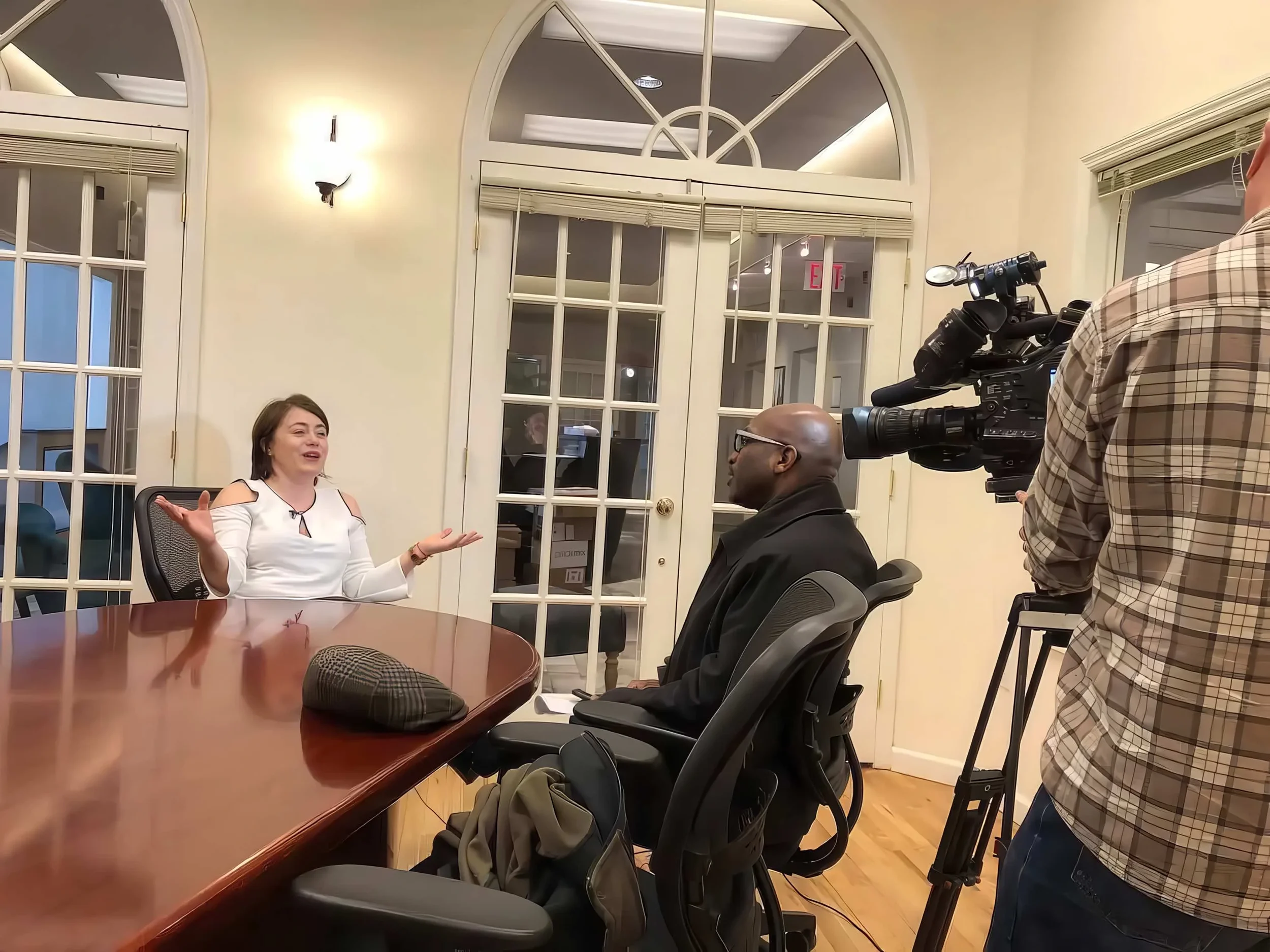
Top NYC Life Coach - Irina Popa-Erwin on IMDb
